Sagging Service Line in Kanwal
If the service line to your Kanwal home is sagging, low, or looks damaged, treat it as urgent. Electrician Kanwal is Level 2 ASP accredited, Lic #451348C, and responds same-day to a dangerous low line.
- Same-Day & Emergency: urgent Level 2 response, 24/7 for genuine emergencies.
- Level 2 ASP Accredited: licensed for Ausgrid and Endeavour Energy network work.
- 300+ Five-Star Reviews: trusted across the Central Coast.
- $0 Call-Out & Free Quotes: no cost to get it assessed properly.
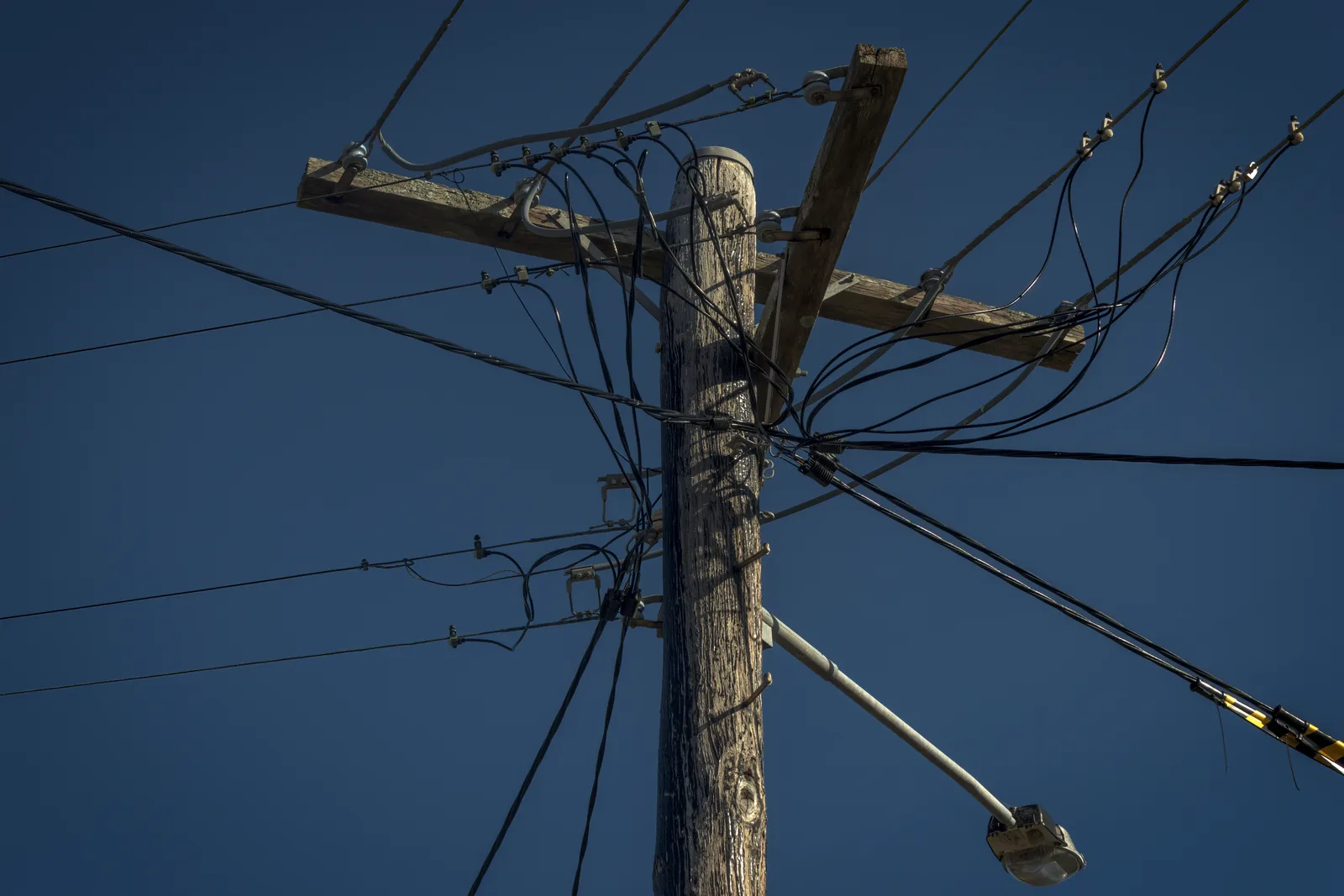
What a Sagging Service Line Actually Means
The service line is the overhead cable running from the street or pole to your house, and it can still be live even when it looks slack or damaged. A sagging, frayed, or pulled line is Level 2 work, the wiring only a Level 2 ASP is licensed to touch under AS/NZS 3000. Electrician Kanwal treats every call about a low line as genuinely urgent.
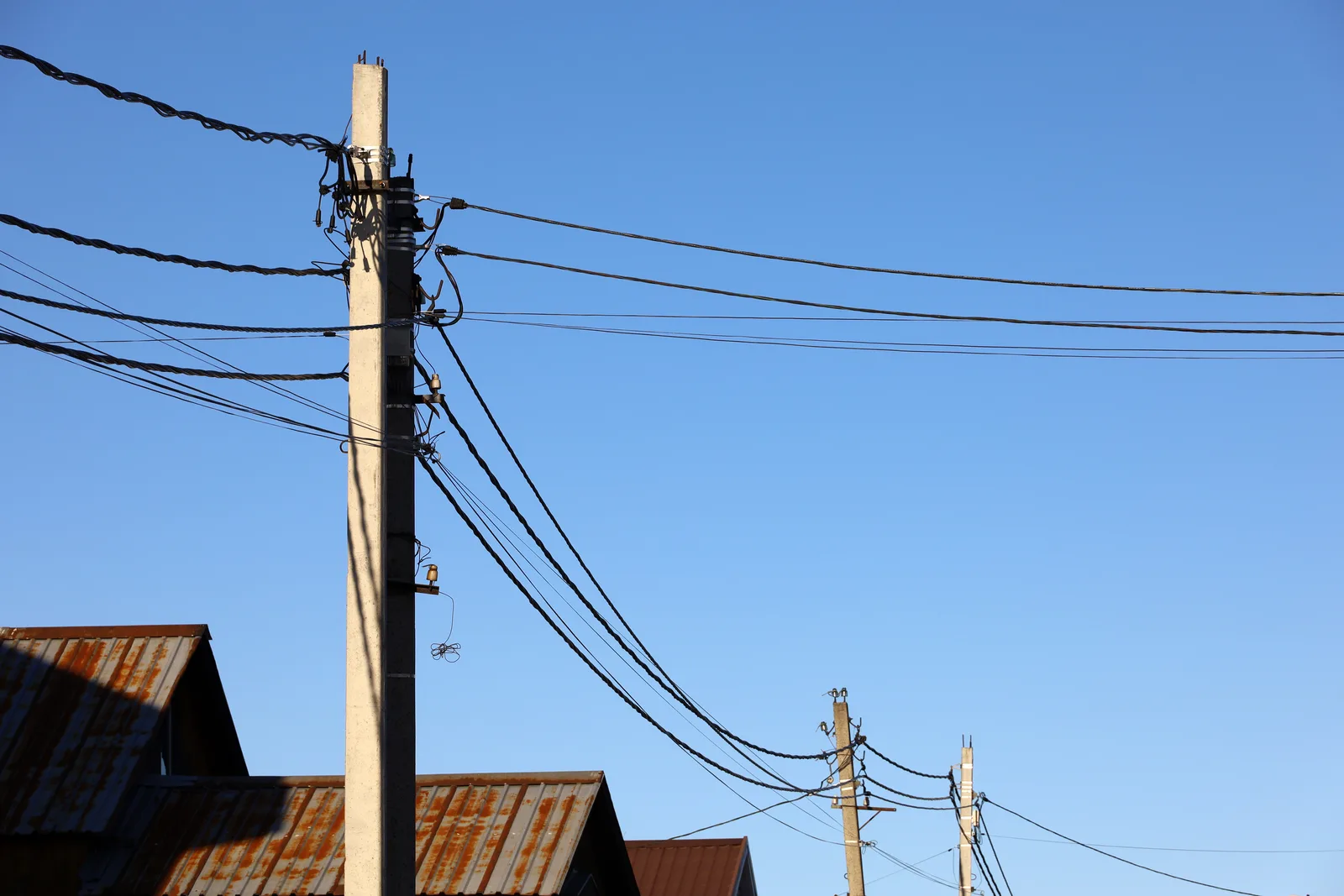
Common Causes of a Sagging Service Line in Kanwal
Storm and wind damage
Kanwal's exposure to intense Central Coast storms puts real stress on overhead service lines, stretching or pulling them loose during heavy weather.
A fallen branch or tree limb
Established trees near older Kanwal streets can drop branches onto overhead mains, pulling the line down or damaging the insulation.
A vehicle or truck strike
A delivery vehicle or truck clipping a low line, or a driveway pole, can stretch or wrench the service line from its attachment point.
Age and stretching over time
Many Kanwal service connections date to the original 1970s and 80s subdivision, and decades of expansion and contraction leave older lines sagging lower each year.
A degraded point of attachment
The bracket holding the line to the house can corrode or work loose over time, gradually letting the whole cable droop lower than it should.
Is a Sagging Service Line Dangerous?
Yes, this is one of the genuine emergencies in electrical work. A low or damaged overhead line can still carry full voltage, and contact with it or the ground beneath it can be fatal.
- Treat any low, sagging, or frayed line as live until proven otherwise
- Keep children, pets, and vehicles well away from the line and the ground under it
- Never touch a fallen or hanging line, even if it looks dead
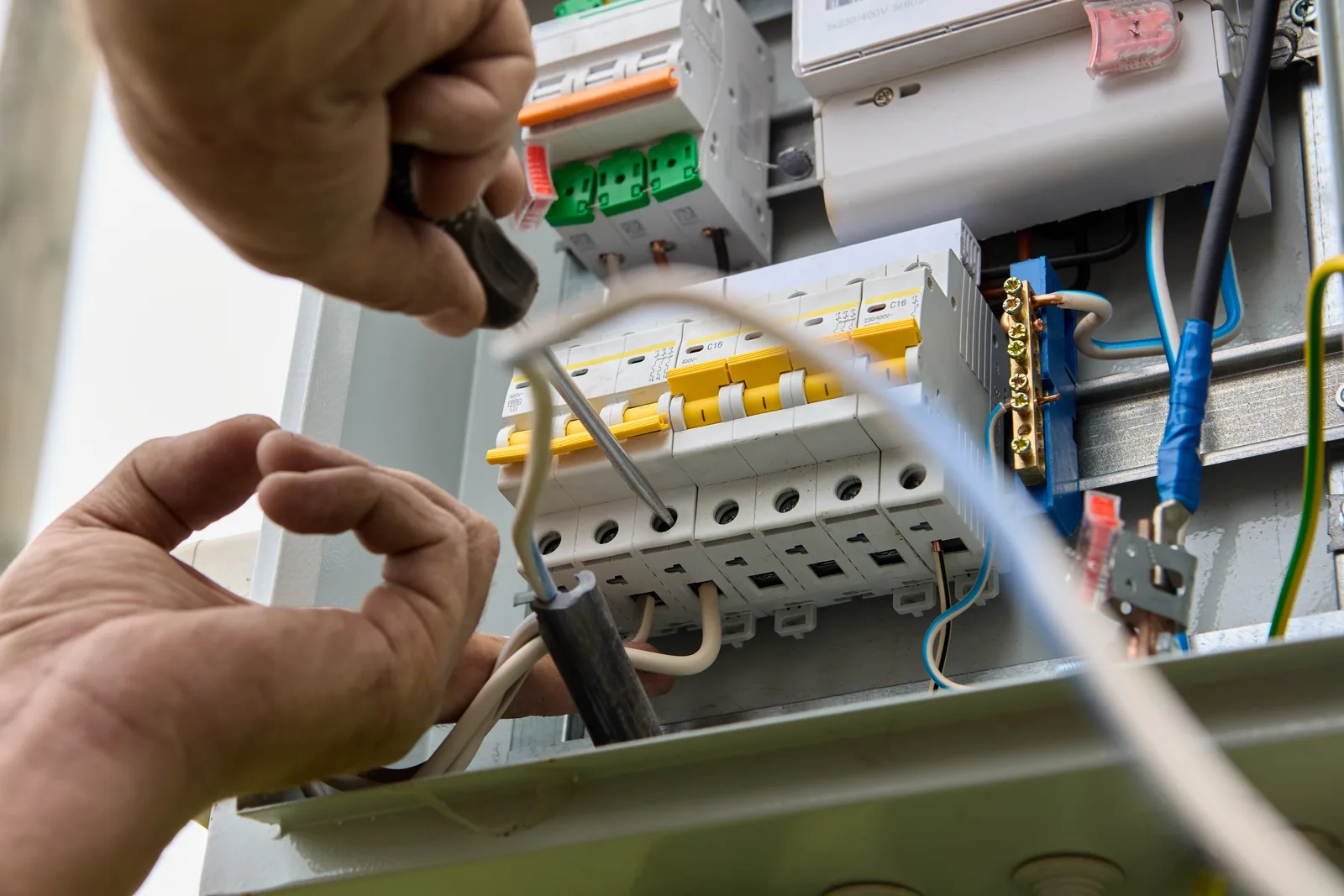
What To Do Right Now
Your only job is to keep people and animals clear and call for help, nothing more:
- Keep everyone, including children and pets, well away from the line.
- Do not drive, walk, or let anyone stand under a sagging or fallen line.
- Do not attempt to move, lift, or touch the cable yourself.
- Warn neighbours nearby if the line crosses a shared boundary or footpath.
- Call a Level 2 ASP (Lic #451348C) immediately for urgent attendance.
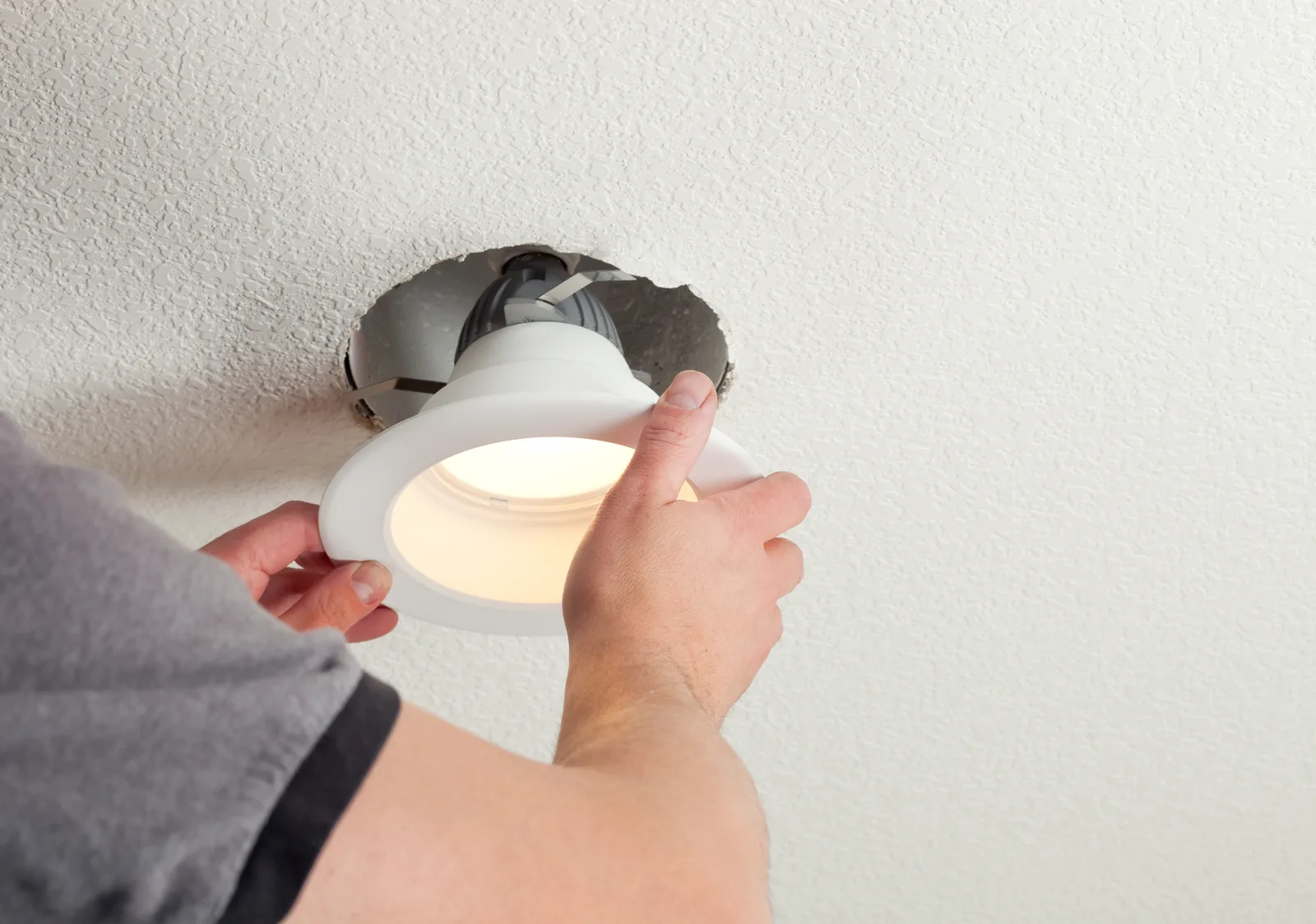
When To Call a Level 2 Electrician for a Sagging Line in Kanwal
- The line is visibly lower than usual or touching a fence, tree, or roofline
- The line looks frayed, stretched, or has come away from the house
- The damage appeared after a storm, fallen branch, or vehicle strike
- Part or all of the property has also lost power
- You are unsure whether the line is live
- A tradesperson or delivery driver has flagged the line as a concern
Any of these at your Kanwal property needs a Level 2 ASP urgently, not a wait-and-see approach. We respond same-day and 24/7 for emergencies, with $0 call-out and free quotes, plus a lifetime labour warranty. See our service mains and private pole pages.
How it works
How We Fix a Sagging Service Line in Kanwal
Urgent Assessment
We attend fast to confirm whether the line is live and make the site safe before any repair work begins, prioritising a dangerous low line above routine jobs.
Upfront Quote
Once the fault is assessed, you get a fixed, transparent price for the repair or replacement before we proceed.
The Repair or Re-Tensioning
We repair, replace, or re-tension the service line and point of attachment so it meets current network standards.
Testing & Safety Check
Every repair is tested and confirmed safe under AS/NZS 3000 and network requirements before we leave the property.
Why This Is Common in Older Kanwal Homes
Kanwal's original service connections from the 1970s and 80s subdivision are ageing, and the suburb's exposure to intense storm rainfall in the Tuggerah Lakes catchment adds real stress to overhead lines near the lake foreshore. Nearby Gorokan sees the same pattern.
Sagging Lines and Related Electrical Faults Across Kanwal
A sagging service line often shows up alongside storm-damaged mains or total power loss. We fix all three across Kanwal, Wadalba, Woongarrah, and the wider region.
Sagging Service Line in Kanwal? Call Now
Call (02) 4039 8302 for an urgent same-day Level 2 call-out, $0 call-out and a free, fixed quote, backed by Lic #451348C and 300+ five-star reviews. If it sparks, shorts, flickers or fails, we can fix it.
Common questions
Sagging Service Line FAQs
Real questions Kanwal homeowners ask us about a sagging, low, or damaged overhead service line.
Is a sagging service line dangerous?
Yes. A low, stretched or frayed overhead service line can still be live, and any low or damaged cabling near ground level should be treated as a real hazard.
What causes a service line to sag or come loose?
Storms, fallen branches, a truck or vehicle strike, or simple age and stretching of the cable are the most common causes of a sagging service line.
What should I do if I notice a sagging service line?
Keep everyone, including pets, well clear of the line and the ground beneath it, and call a Level 2 ASP immediately rather than approaching it yourself.
Do I need a Level 2 electrician for a sagging service line?
Yes. The service line between the street or pole and your meter is Level 2 work by law, and a general electrician cannot legally repair it.
How much does it cost to fix a sagging service line?
We provide a fixed, upfront quote after inspection, with $0 call-out and a free quote, so you know the cost before any repair work starts.
Are sagging service lines common after storms in Kanwal?
Yes. Kanwal sits in the Tuggerah Lakes catchment and sees intense storm rainfall, which stresses ageing overhead service lines and their attachment points.